10 of the Best Flamenco Performances from Classic Cinema
Love scenes disguised as cultural appreciation: Travel Old Hollywood's favourite flamenco performances from the golden age of cinema, and how to experience them in person.
The flutter of the guitar begins to play, the sultry beauty with the flowing skirts stamps her feet and begins to dance for the baying crowd, her hips thrusting to the beat. She locks eyes with her leading man. His life will never be the same again.
The culture of Spain made an indelible impression on classic cinema: from Cecil B. DeMille's Carmen to Hemingway's depictions of the Spanish Civil War in For Whom the Bell Tolls, to Charlton Heston's heroic turn in El Cid, audiences eagerly consumed stories about Spain and its people.
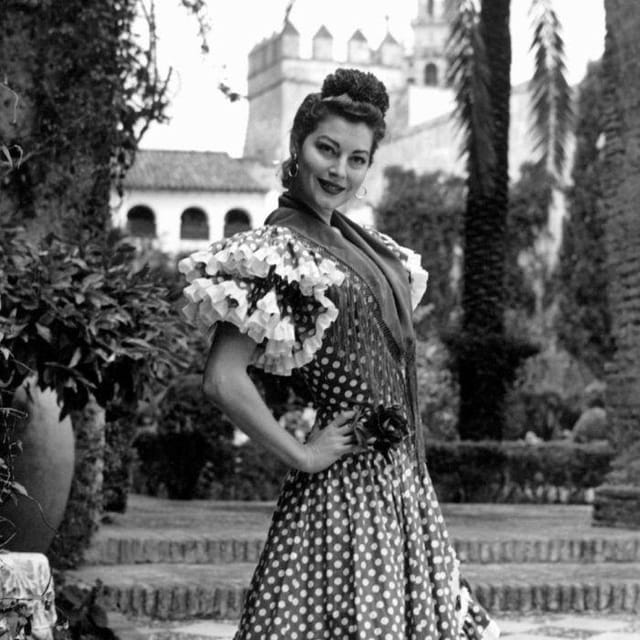
For a beautiful actress, a role in a Hispanic-themed film meant one thing: a suggestive flamenco dance. The flamenco performance was reserved for some of Hollywood's most beguiling female stars; Rita Hayworth, Ava Gardner, and Sophia Loren, to name a few. The dance was sensual, the costumes were spectacular, and the subtext was rarely subtle. These were love scenes disguised as cultural appreciation.
For a deep dive into the culture of flamenco in classic Hollywood and its impact on the Spanish tourism industry, check out Becoming Carmen: Hollywood, Flamenco, and the Birth of Tourism in Spain.
What follows is a compendium of Travel Old Hollywood's favourite old Hollywood flamenco performances:
Blood and Sand (1941)

Tyrone Power, Linda Darnell, and Rita Hayworth star in this Technicolor epic about the complex love life of a bullfighter. Power plays Juan Gallardo, a Spanish peasant who rises through the ranks of the bullfighting world to become a champion. But he's torn between two women: his childhood sweetheart Carmen (Darnell) and a society temptress (Hayworth).
Film historian Jeanine Basinger describes Hayworth's erotically charged flamenco dance with Anthony Quinn towards the end of the movie, engineered to emasculate Juan and to make him jealous, as "an acceptable form of public sex" on screen, at a time when sex could only ever be inferred. Quinn, for his part, looks like a man who cannot believe his luck.
The movie was not shot on location, but the art department did a great job of evoking the look and feel of Spain, most of which was filmed on the lot at 20th Century Studios. Great works by Spanish artists Goya and El Greco were used as inspiration for the set dressing. Background shots and the bullfighting scenes were filmed on location in Mexico City.
The original Rudolph Valentino 1922 silent version of Blood and Sand is well worth a watch too (there are no big dance scenes, unfortunately). It's an enjoyable romp that may well be one of Valentino's best performances, thankfully devoid of the predatory vibe of his most famous incarnation, The Sheik.
Experience it in person: The bullfighting world that Power's character inhabits can still be experienced in Seville, where the Plaza de Toros de la Real Maestranza is one of the oldest and most beautiful bullrings in Spain. Even if bullfighting isn't your thing (and increasingly it isn't most people's), the ring offers guided tours and houses a fascinating museum of bullfighting history. Tours from around €10. For the Hayworth flamenco experience, Seville's Barrio de Santa Cruz is home to dozens of tablaos offering nightly shows, including Tablao El Arenal (from around €35 including a drink) and the more intimate Casa de la Memoria. Seville is the birthplace of flamenco. If you're going to watch it anywhere, watch it here.
Carmen (1915)

Film lovers were treated to not one but two versions of Carmen in the autumn of 1915, both released on the same day. Raoul Walsh's Carmen was played by Theda Bara, known as "the Vamp," and was more popular with audiences at the time. Unfortunately, Bara's portrayal has been lost to the annals of time. Thankfully, Cecil B. DeMille's Carmen fared better in the preservation process. DeMille took the somewhat unusual step of casting genuine opera star Geraldine Farrar in the role, in a SILENT film.
Kitty Kelly of the Chicago Tribune said in her review: "it is not a Sunday School play, this picture of the classic heart bandit. There's a plentiful showing of emotions as they are, but it is done without the wearisome tediousness of directors less artistic than Cecil DeMille." Was that a dig at Walsh, perhaps? Farrar, despite her inexperience in front of the camera, is a very convincing Carmen, effortlessly infusing her with the allure and danger the character requires.
Experience it in person: The Carmen story is set in Seville, and the city leans into the association with enthusiasm. The Real Fabrica de Tabacos (Royal Tobacco Factory), where Merimee's Carmen supposedly worked rolling cigars, is now part of the University of Seville and is open to visitors. The building is enormous, atmospheric, and free to enter. Bizet's opera is still regularly performed at opera houses worldwide, but for the authentic setting, catch a production at the Teatro de la Maestranza in Seville, which hosts an opera season from September to May. For more on the Carmen story and its impact on Spanish culture and tourism, read Becoming Carmen.
The Kissing Bandit (1948)

Usually name-checked as one of the low points in Frank Sinatra's career, The Kissing Bandit, featuring Kathryn Grayson and Ricardo Montalban, was a monumental flop upon release. Sinatra himself reportedly hated it so much that he refused to discuss it in interviews for the rest of his life, which is saying something for a man who had opinions about everything. It's one of those odd, Technicolor itches that the studios were happy to scratch in the 1940s, as they continued to experiment with their most successful genre - the musical. Terrible dialogue and historical inaccuracies aside, the dancing in this film is great fun. The sexy flamenco hybrid three-way between Ricardo Montalban, Ann Miller, and Cyd Charisse is a great example: the two women begin a catfight mid-dance as they jostle for the attention of the handsome Montalban. A feisty flamenco seduction of Frank Sinatra by famous ballerina Sono Osato, with the aid of a whip, will amuse, if only to witness Sinatra's terrified, deer-in-headlights response. The Chairman of the Board was clearly more comfortable with a microphone than a riding crop.
Experience it in person: The Kissing Bandit is set in a romanticised version of Old California, and while the film was shot entirely on the MGM lot, the spirit of the Spanish-Mexican culture it depicts can be found in the old mission towns of the California coast. San Juan Capistrano, about an hour south of Los Angeles, has a beautifully preserved Spanish mission (founded 1776) and the kind of sun-baked courtyards that the film's set designers were clearly trying to recreate. Entry around $15. For the Sinatra connection, see the Ultimate Frank Sinatra Travel Guide.
Pandora and the Flying Dutchman (1951)

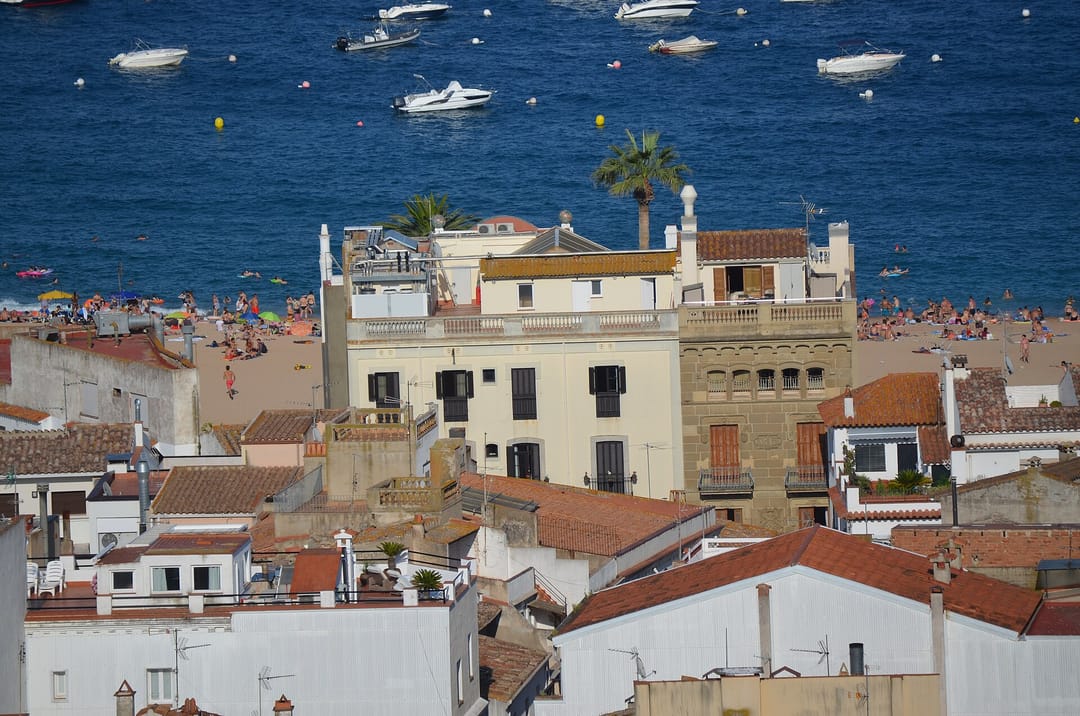
A gorgeously over-the-top melodrama that combines ghostly folk tales and paranormal love. It was the first of Ava Gardner's many movies set in Spain, contributing to her lifelong love of the country. Gardner plays Pandora to James Mason's tragic Flying Dutchman. Filmed on location in the quaint fishing village of Tossa de Mar, the movie features an authentic flamenco by native dancers as Gardner looks on, mesmerised, cigarette in hand. You get the feeling she was taking notes.
This film is truly a masterpiece in cinematography, thanks to Jack Cardiff, the acclaimed cinematographer and key Powell and Pressburger collaborator. The LA Times review remarked: "whatever might be wanting of the illusory is amply supplied by the natural backgrounds so mystically photographed by Jack Cardiff." A new 4K restoration was released in 2020.
Experience it in person: Tossa de Mar on Spain's Costa Brava has changed remarkably little since Gardner and James Mason filmed here in 1950. The medieval walled town (Vila Vella) that crowns the headland above the beach is still there, the cove is still gorgeous, and the Hotel Diana on the Plaza de Espana is still open. It's a family-run modernist boutique hotel, built by a disciple of Gaudi, with sea-view rooms and direct beach access. Rooms from around €100 per night. Frank Sinatra came to visit Ava on set and the two stayed together at the hotel, which gives it a double claim to classic Hollywood fame. Read more in the Ultimate Ava Gardner Travel Guide and the Classic Movies That Will Inspire You to Travel list.
The Captain's Paradise (1953)

Watch the Brits give it a go, in a movie that sees Alec Guinness as the unlikely lothario juggling two women: dutiful English wife Celia Johnson and "exotic" femme Yvonne De Carlo (offensive description lifted directly from the movie trailer, and presented here without endorsement). Guinness's two tangos with De Carlo (similar to the rumba flamenco) lack the fire of a Ricardo Montalban performance, but watching a young Obi-Wan Kenobi attempt a seductive dance is not something you see every day. The film is a giggle too, if you perversely enjoy observing 1950s sexism in action, as all classic film lovers secretly do.
Experience it in person: The film is set in Gibraltar and North Africa, with Guinness's character captaining a ferry between the two. Gibraltar is still a British Overseas Territory and still feels like someone transplanted a small English town onto the bottom of Spain and forgot to come back for it. The Rock is open to visitors, the Barbary macaques are still stealing tourists' sandwiches, and the views across the Strait to Morocco are spectacular. The ferry connection to Tangier in Morocco that Guinness's character operates in the film is still running (about 35 minutes from Tarifa, from around €35 one way), making this one of the few films on the list where you can literally recreate the plot, minus the bigamy.
The Barefoot Contessa (1954)

Humphrey Bogart and Ava Gardner star in this beautifully shot Hollywood star vehicle from Joseph L. Mankiewicz. Gardner's character Maria Vargas, a nightclub singer from Madrid (a character based on Ava's own life, according to Ava herself), is introduced off screen near the beginning of the film to the sounds of flamenco; the camera focuses on the audience's nervy, horny reaction to her dance. Later in the film, as Maria tries to run away from fame and the troubles it has brought her, she dances a haunting flamenco with a local gypsy, while her impotent husband, Count Vincenzo, watches helplessly.
For even more "Ava in Spain" shenanigans, see The Naked Maja, where she dances a slow flamenco with 18th-century painter Francisco Goya (played by Anthony Franciosa), and The Sun Also Rises, an adaptation of Hemingway's novel, where she plays an aimless socialite lost in the quagmire of post-WWI Europe.
Read more about Ava's love for Spain in the Ultimate Ava Gardner Travel Guide, and for the full story of how the Carmen archetype shaped Hollywood and Spanish tourism, see Becoming Carmen.
Experience it in person: The nightclub scene where Bogart's director discovers Maria dancing flamenco was set in Madrid. Corral de la Moreria, which opened in 1956 and was frequented by Gary Cooper, Rita Hayworth, Picasso, and Dali, is the closest you'll get to that experience today. It now holds a Michelin star for its restaurant and has been named by the New York Times as one of the 1,000 places to see before you die. Shows from around €45 including a drink. The film was shot at Cinecitta Studios in Rome, with location shoots in Rapallo, Portofino, San Remo, and the olive groves of Tivoli. For full details on visiting these locations, see the Classic Movies That Will Inspire You to Travel list.
Around the World in 80 Days (1956)

Mike Todd's travelogue extravaganza, starring everyone's favourite English gent David Niven, celebrates the culture of countries from Spain to Siam. The Spanish section of the movie features a flamenco performance by Jose Greco, the most famous male flamenco dancer in the world at the time. Greco was actually Italian-born and raised in Brooklyn, which makes him perhaps the most improbable flamenco legend in history, but his talent was undeniable. The original Variety review gushed: "this picture was made with showmanship in mind and the customers are guaranteed to eat it up."
Greco popped up in several Hollywood movies in the 50s and 60s, wherever a formidable flamenco was required. One of the best is Sombrero, a rather silly MGM romp filmed on location in Mexico, which features a typically powerful solo performance. The movie also features the reliable dancing talents of Ricardo Montalban, Cyd Charisse, and Yvonne De Carlo. Greco also appears alongside Bond girl Jill St. John in 1959's utterly ridiculous, yet strangely enjoyable Holiday for Lovers.
Experience it in person: The bullfighting sequence in the Spanish section of the film was shot in Chinchon, a town about 45 minutes south of Madrid, whose medieval Plaza Mayor is still used for bullfights during its annual fiesta in October. Outside of fiesta season, the plaza is a lovely, slightly sleepy square surrounded by balconied buildings and traditional restaurants. Try the local speciality, anise liquor, at one of the bars on the square. The broader Spanish section of the film was also shot in and around Madrid, and for flamenco of the calibre Greco delivered, the Corral de la Moreria in Madrid (see above) is the place to go.
The Pride and the Passion (1957)

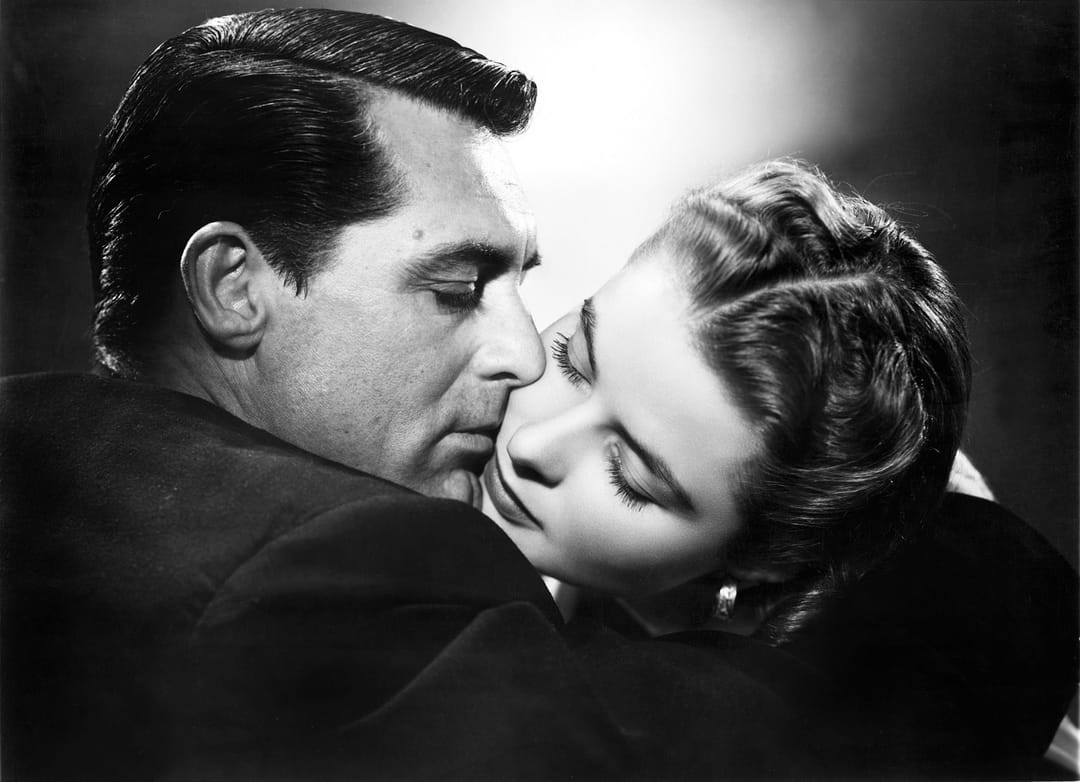
Frank Sinatra and Cary Grant drag a really big cannon across Spain (there is a metaphor in there somewhere, but it is probably best not to think about it) during the Napoleonic Wars, fighting over Sophia Loren as they go. This big-budget historical epic has taken a pasting from critics over the years, and while it can be boring and tedious in places (and Frank's wig is appalling, but I'm very fond of his accent, which is also terrible, but charmingly so), fans of the central cast will not be disappointed, not least by Loren's mesmerising flamenco performance halfway through the movie. She was criticised at the time for it not being particularly authentic, but her commitment to the dance's intensity on screen is beyond reproach. Authenticity is overrated when you look like Sophia Loren.
Experience it in person: The film was shot on location across Andalusia and central Spain, with the spectacular town of Avila, about 90 minutes from Madrid, providing some of the most dramatic backdrops. Avila's medieval walls are among the best preserved in Europe and are open to walkers (entry around €5). The cannon-dragging sequences used the vast, arid landscapes of Castilla-La Mancha, which Don Quixote fans will recognise. For Loren's flamenco, any tablao in Seville or Madrid will deliver the goods, but the Tablao Flamenco 1911 (formerly Villa Rosa) in Madrid, one of the oldest tablaos in the world and another of Ava Gardner's old haunts, is a particularly atmospheric choice. Shows from around €35.
La Femme et le Pantin (1959)

Brigitte Bardot has entered the chat. One of the most sultry stars of the era, and arguably the only actress who could rival Ava Gardner in the "making men forget their own names" department, Bardot is filmed on location in Andalusia (including at the legendary annual Seville Feria) in a typical outing for the French bombshell, with a familiar theme: drop-dead gorgeous La Bardot taunts local menfolk with her brazen sexuality. The flamenco she performs in the movie is more authentic than many in Hollywood up to this point. Bardot had studied ballet at the Conservatoire de Paris, and while training for this movie, she began to develop a lifelong love of flamenco. Her passion and natural talent are evident in her assured performance. Check out her stunning flamenco performance on a French TV show in 1958 to promote the movie. There are also many photos of her dancing flamenco throughout the 60s and 70s. Like Ava Gardner, flamenco captured Bardot off screen too. The two most beautiful women in the world, independently bewitched by the same dance. Carmen would have approved.
Experience it in person: The Feria de Abril in Seville, where parts of the film were shot, is held annually two weeks after Easter and is one of the most spectacular festivals in Europe. For six days, the city transforms into a vast fairground of striped tents (casetas), flamenco dresses, horses, sherry, and dancing until dawn. If you can get an invitation to a private caseta, take it. If you can't, the public casetas and the atmosphere on the streets are nearly as good. Book accommodation months in advance; the city fills up completely. The film's Andalusian locations, including the whitewashed villages and olive groves of the Seville countryside, are all easily accessible by car and have changed remarkably little since Bardot danced through them.
The Pleasure Seekers (1964)

The wafer-thin story follows three American women looking for love in Spain and is a loose remake of Three Coins in the Fountain. Ann-Margret mixes flamenco with swing in a remarkable mash-up dance scene that sees revered flamenco dancer Antonio Gades treat the audience to a solo performance before Ann-Margret launches onto the screen for some flamenco flirting with her partner. She then discards him completely and launches into a swing number composed by Frank Sinatra's old pal Jimmy Van Heusen. More fluff, but what do you expect from early 1960s Ann-Margret? The romance and beauty of Madrid is captured marvellously. Just sit back, suspend your disbelief at the faux feminism, and enjoy the scenery and the silliness.
Experience it in person: The film showcases Madrid at its most romantic, with several sequences shot around the Parque del Retiro, the Plaza Mayor, and the old town. All are free to visit and all look virtually identical to how they appear in the film. The Retiro, in particular, was one of Ava Gardner's favourite haunts during her years in Madrid. She used to spend afternoons there with gypsy performers, practising her flamenco. For a taste of the flamenco and swing mash-up that Ann-Margret delivers in the film, Madrid's nightlife scene is eclectic enough to offer both in a single evening, though possibly not at the same venue. Start with flamenco at the Corral de la Moreria or the Tablao Flamenco 1911, then move on to one of the jazz clubs in the Malasana or Chueca neighbourhoods for something swingier. Ava would have approved of the itinerary.
And that's our list! If we've missed your favourite old Hollywood flamenco performance, let us know. And if all this flamenco has made you want to understand how a fictional gypsy woman invented by a Frenchman in 1845 helped save a bankrupt fascist dictatorship and turned Spain into the world's favourite holiday destination, read Becoming Carmen: Hollywood, Flamenco, and the Birth of Tourism in Spain.